
Back to Skin Series — Step One: What Is Skin? (Your Essential Guide to Skin Biology & Why It Changes)
Your skin is the largest organ in your body — a living, breathing, protective system that responds to your hormones, your environment, your lifestyle, and your age. Understanding how it works is the first step in choosing the right products, the right treatments, and the right routine.
This is your gentle, science‑led introduction to the layers of the skin, how they change, and why caring for your skin is never “one size fits all”.
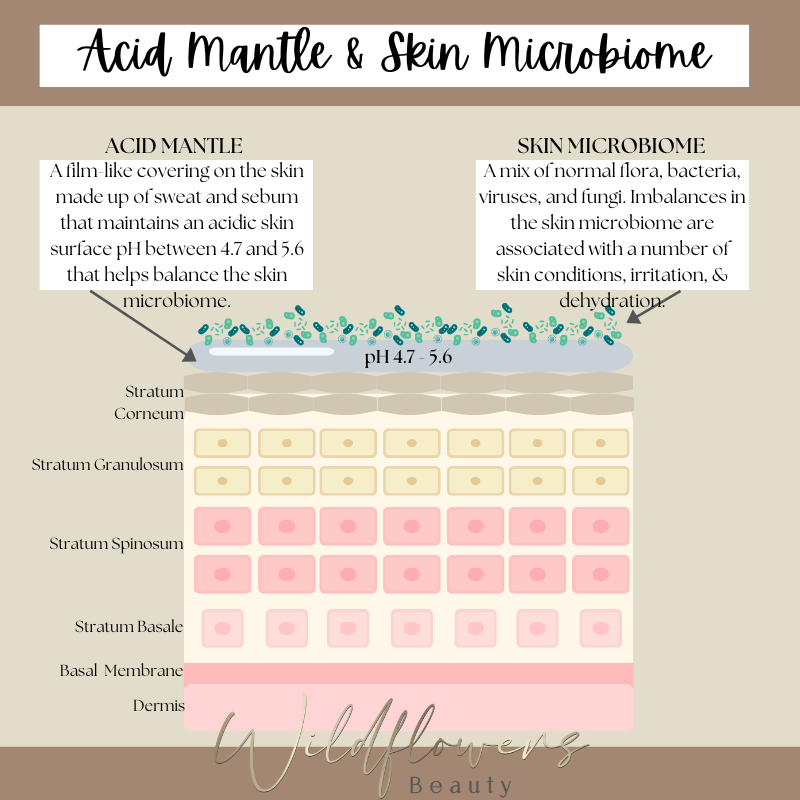
🧁 The Skin Barrier: Your First Line of Defence
At the very top of your skin sits the acid mantle — a thin, slightly acidic film made from sebum, sweat and lipids. Its job is simple but vital:
protect against bacteria
keep moisture in
keep irritants out
When this barrier is damaged, your skin becomes reactive, sensitive, dry, or breakout‑prone.
🌸 The Three Main Layers of the Skin
1. The Epidermis (Your Surface Layer)
This is the layer your skincare products reach. It contains five sub‑layers, where new skin cells are born, mature, rise to the surface, and shed.
As we age, this natural shedding slows down — which is why skin can look dull. This is where exfoliation helps: it encourages the natural renewal cycle and restores brightness.
2. The Dermis (Your Support Structure)
This is the deeper, thicker layer containing:
blood vessels
nerves
hair follicles
sweat glands
collagen, elastin, and GAGs (your firmness, bounce and hydration)
This is the layer responsible for:
temperature regulation
sensation
wound healing
structural support
As collagen and elastin decline with age, we see wrinkles, laxity, dryness and thinning.
Skincare alone cannot reach this layer — this is where professional treatments come in.
3. The Subcutaneous Layer (Your Cushioning Layer)
This is the deepest layer, made of:
fat cells
connective tissue
blood vessels
It cushions the body, stores energy, and protects muscles. As this layer thins with age, skin can look less smooth, and veins or bruising become more visible.
🌿 Is All Skin the Same? Absolutely Not.
Different areas = different thicknesses
Your face, body, hands and feet all have different needs. This is why one cream cannot do everything.
Men’s skin vs women’s skin
Men’s skin is thicker, oilier, and often needs different formulations.
Skin tone & melanin levels
Melanin affects:
sensitivity
pigmentation
product tolerance
treatment suitability
This is why darker skin tones need different care than lighter ones.
🍂 Why Your Skin Changes Throughout the Year
Living in Britain means your skin faces:
heatwaves
freezing temperatures
indoor heating
air‑conditioning
wind
rain
humidity shifts
Your skin’s needs change with the seasons — and your routine should too.
🌼 Why One Routine Won’t Work Forever
Your skin changes with:
age
hormones
stress
sleep
medication
lifestyle
environment
The cleanser you loved at 20 may not suit you at 40. The serum that helped last year may not be right today. Your skin is alive — and your routine should evolve with it.
🌿 The Best Thing You Can Do: Understand Your Skin
There are thousands of products because there are thousands of skin needs. The most powerful thing you can do is learn what your skin needs — not your friend’s, not an influencer’s, not a trend’s.
That’s why every Wildflowers facial begins with a full consultation. It removes the guesswork and gives you clarity, confidence and a personalised plan.


Comments