
Understanding your Skin Conditions
Updated: Aug 1, 2025
So now you understand your skin type, it's time to look at your skin condition. Well what is a skin condition? A skin condition will hopefully be a temporary situation that can be addressed through treatments, skin care or medication. You can have a skin condition, regardless of your skin type, although some conditions are more prone to certain skin types.
Acne
This can be a post all to itself! Spots, we can have them during adolescence and it can re-appear when we are older and some people can always have spots. There are many different types of 'spots' and therefore different reasons why they occur. Some can be treated with skincare, some with salon treatments and some will need medical treatment via a specialist doctor called a dermatologist. Not everyone who has acne has oily or combination skin.

Aging
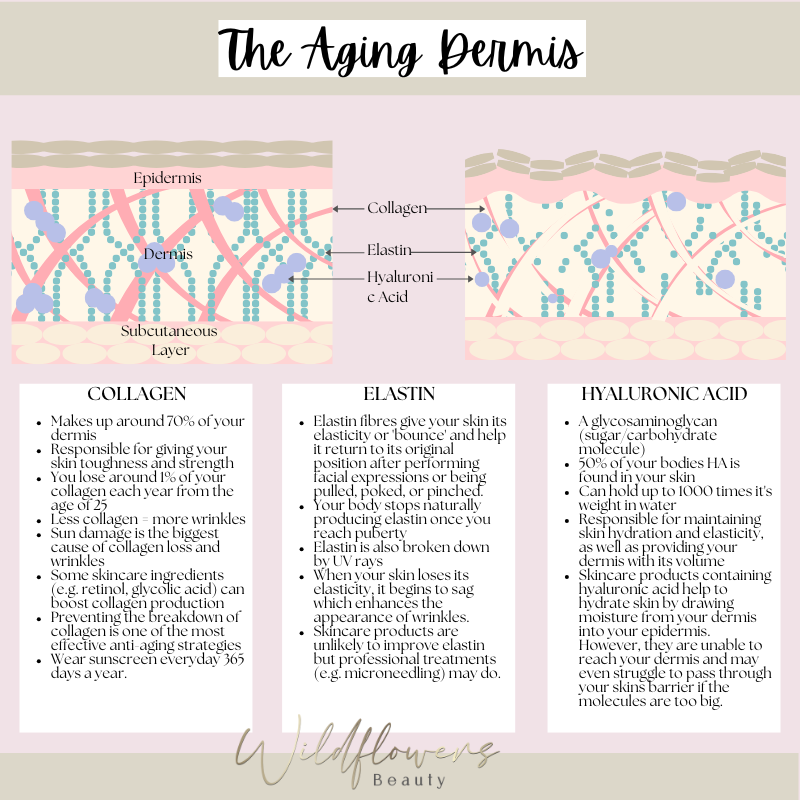
From the skin biology post, we know as we age our skin changes (whatever our skin type) and with that comes some signs. Aging skin, encompasses lot of things. It can be uneven complexion, visible blemishes, smile/character lines, sagging/drooping, hollowing and lack of tone. As you age, your skin is going to age too. There are skin care regimes that can help it look it's best as we age, there are treatments to help improve age condition skin or slow the process (beauty therapists), there are then tweakments, where injections are made into the skin (aestheticians or dermatologists) and to reverse the effects of aging, there is surgery. Our skin is typically in peak condition at 20 years old and starts to show signs of aging, typically from age 25+
Dehydrated
This can easily be confused with dry skin but dehydrated skin can happen to ALL skin types. Dehydrated skin means your skin has a lack of water. This effects your skin barrier, meaning it evaporates quicker and can make skin compromised and appear drier.
Skin can become dehydrated through our environment - heating, aircon, sun damage, weather etc. It can become dehydrated by overconsuming alcohol, salt, sugar caffeine, processed foods and not having enough water. It can also happen due to changes in our bodies - like stress, monthly cycle, medication, pregnancy, etc. We can also cause our skin to become dehydrated by using the wrong products on our skin or through poor skin care routines.
Dehydrated skin, like dry skin can feel tight and dry but could still appear shiny and plump. When you apply make-up, your skin absorbs all the moisture and you are left with patchy make-up. Dehydrated skin absorbs moisturisers well, whereas dry skin does not easily absorb products. It can be hard to determine which is why beauty therapists ask lifestyle questions when assessing your skin so we can ascertain what is happening.

Pigmentation
Pigmentation means different colour skin patches on your face. This can be caused by different reasons. It can be a part of aging - too much sun exposure causing damage and then appears 'sun spots' . It can be due to hormonal changes like pregnancy (cholasma) or melasma or injury to skin, like post inflammatory pigment alteration. Understanding what causes the pigmentation will depend on what treatment will be required. If you have any pigmentation it is vitally important you wear sun protection. Pigmentation can be treated by higher level beauty therapist/aesthetician or dermatologist but it depends on why it has occurred.

Medical skin conditions
Eczema, Psoriasis, Ichthyosis, Rosacea, Vitiligo, Dermatosis Papulosa Nigra are conditions that need to be treated medically by a dermatologist, who then may recommend beauty treatments. Broken capillaries can be treated by a higher level beauty therapist/aesthetician. Beauty therapists are trained to recognise these conditions but we are unable to treat or diagnose due to the complexities these conditions can have. We can help in conjunction with a dermatologist/medical instruction. We can advise you seek medical help but I can't say you have eczema. For example, Rosacea has many different sub-types and what works well for one client may not work well for another, for lots of reasons. This is why going to a doctor, who has specialised training and qualifications is necessary - it is not to alarm you, it's understanding my limits as a beauty therapist.
I hope this post helps you understand what skin conditions are, who can help you and why we ask lots of questions before performing treatments.


Comments